How Controlled Dog Socialization Helps Reactive Dogs Build Confidence
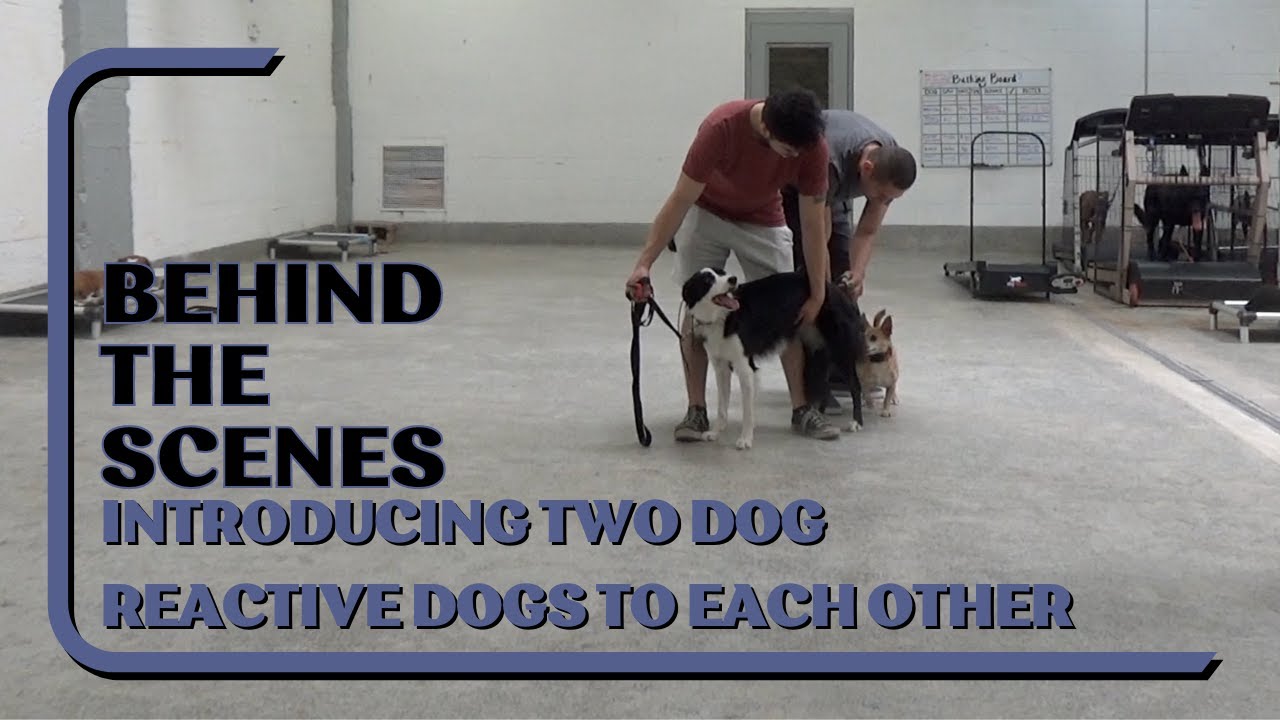
See how controlled dog socialization helps reactive dogs become more confident through structured introductions, body language observation, and professional behavior modification.

See how controlled dog socialization helps reactive dogs become more confident through structured introductions, body language observation, and professional behavior modification.

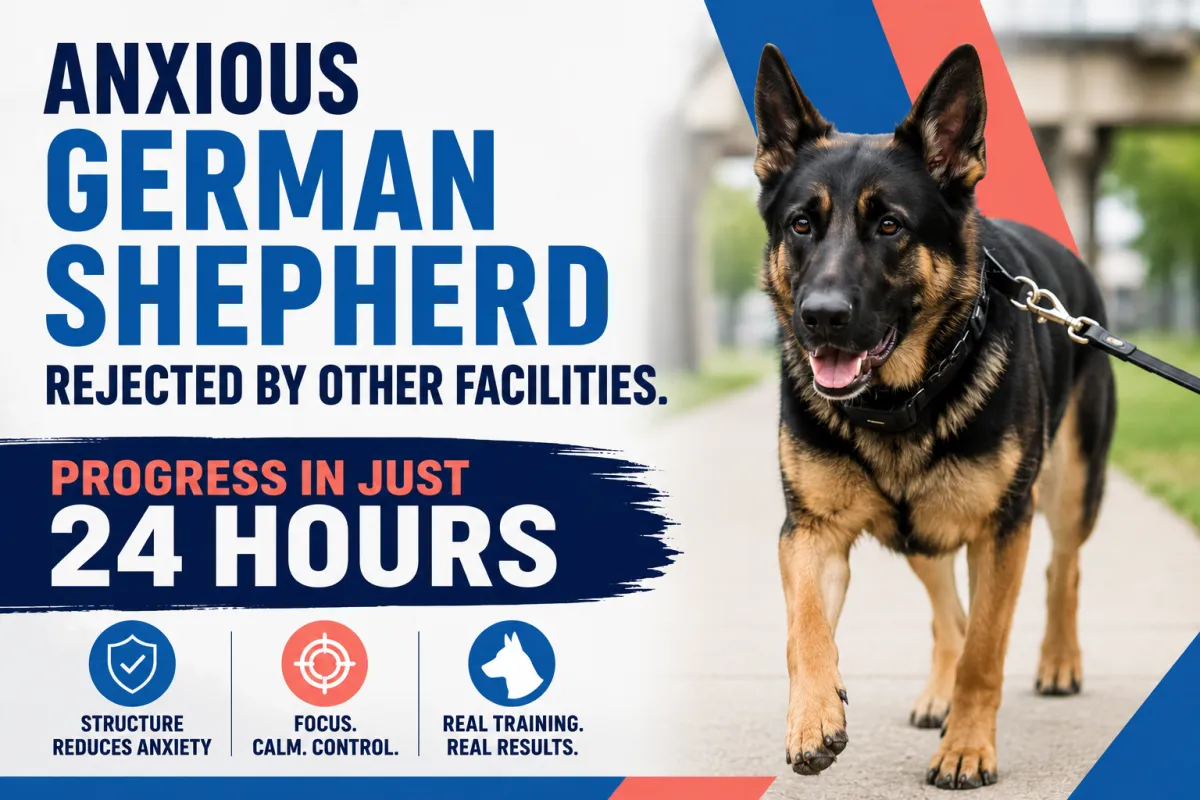
See how structure, heel training, and proper handling helped an anxious German Shepherd begin settling within 24 hours of board and train.
This case study follows Milo, an aggressive Pug mix, to demonstrate how fear-based aggression develops in dogs and how structured training, pressure work, and leash discipline can help modify reactive behavior over time. It emphasizes the difference between true aggression and reactivity, and the importance of addressing the root cause rather than suppressing symptoms.

Obedience and behavior training are often confused, but they serve very different purposes. This post breaks down how commands like sit and down differ from shaping a dog’s mindset, why reliability goes beyond treats, and how structure, boundaries, and balanced training methods contribute to a well-behaved, stable canine companion.